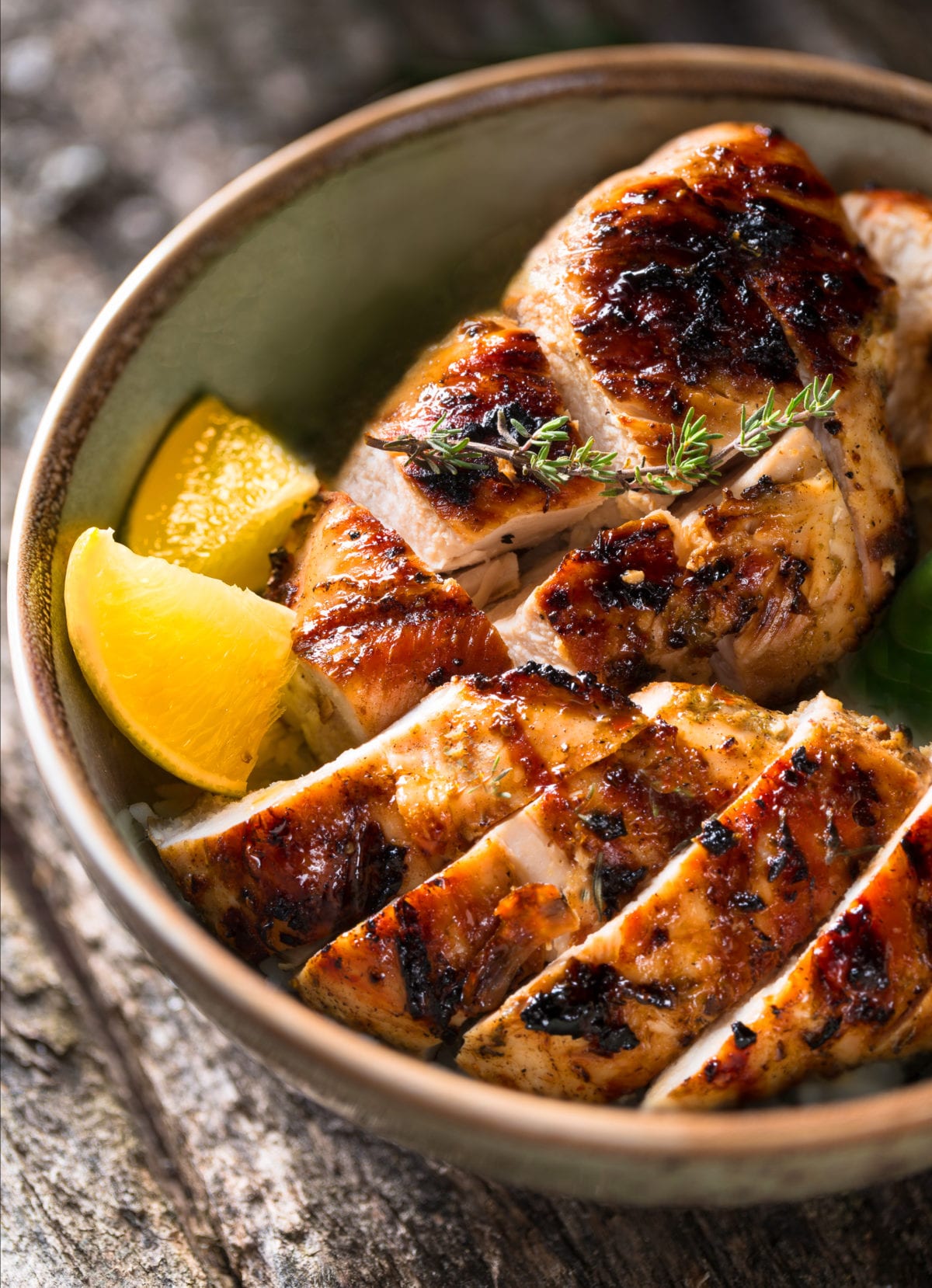
Master Juicy Grilled Chicken Breasts: Tips & Techniques
Achieving perfectly grilled chicken breasts that are moist, tender, and bursting with flavor is a culinary quest for many home cooks. Often, the lean nature of boneless, skinless chicken breasts leads to a dry, rubbery, and disappointing result on the grill. But fear not! With the right approach, a few simple techniques, and a little patience, you can consistently transform this healthy protein into a succulent masterpiece. This comprehensive guide will equip you with the knowledge and skills to master juicy grilled chicken breasts every time, making them a staple at your next barbecue or weeknight dinner.
Why Grilled Chicken Breasts? Beyond Just Lean Protein
Boneless, skinless chicken breasts are a beloved protein for good reason. They are celebrated for their incredibly lean profile, offering a significant amount of high-quality protein with minimal fat and carbohydrates. This makes them an ideal choice for a wide range of dietary needs, from muscle building and weight management to simply maintaining a healthy lifestyle. A 100-gram serving typically provides around 165 calories, 31 grams of protein, and a mere 3.6 grams of fat, along with essential B vitamins like niacin and B6, and minerals such as phosphorus and selenium. Their low-fat content and quick cooking time make them a go-to for busy weeknights and a healthy alternative to red meats.
Beyond their impressive nutritional resume, grilled chicken breasts offer unparalleled versatility. They serve as a perfect canvas for an endless array of flavors, adapting beautifully to different marinades, rubs, and sauces. From light and zesty Mediterranean profiles to bold and smoky BBQ, the possibilities are limited only by your imagination. They can be the star of a main course, sliced into vibrant salads, tucked into sandwiches and wraps, or even chopped for tacos and pasta dishes. The characteristic smoky flavor and appealing grill marks only add to their allure. However, unlocking this potential means overcoming the challenge of dryness, which is where our techniques come in.
The Science of Juiciness: Prep Steps You Can't Skip
The journey to juicy grilled chicken breasts begins long before they even touch the hot grates. Strategic preparation is paramount to ensure even cooking and moisture retention. These steps are simple but critical:
1. Pounding for Even Thickness
One of the most common culprits behind dry chicken is uneven cooking. Chicken breasts naturally have a thicker end and a thinner tapered end. When grilled as is, the thinner parts will inevitably overcook and dry out by the time the thicker parts reach a safe internal temperature. The solution? Pounding them to an even thickness. Place each chicken breast between two sheets of plastic wrap or parchment paper and gently pound with a meat mallet, rolling pin, or even the bottom of a heavy skillet until they are about ¾ to 1 inch thick throughout. This simple step ensures uniform cooking, leading to a consistently tender and juicy result.
2. Marinating or Brining: Your Moisture-Retaining Allies
To infuse flavor and, more importantly, retain moisture, marinating or brining is essential for lean chicken breasts.
- Marinating: A good marinade does double duty. It saturates the chicken with flavor and helps to tenderize the meat while preventing it from drying out during grilling. A classic, effective marinade like the simple lemon and oregano combination (as championed by many recipes) works wonders. The acid from the lemon helps tenderize the meat, while the oil helps seal in moisture and carry fat-soluble flavors.
A simple, effective marinade for juicy results:
- ¼ cup olive oil
- Juice of 1 lemon (about 2-3 tablespoons)
- 2-3 cloves garlic, minced
- 1 tablespoon dried oregano (or 2 tablespoons fresh)
- 1 teaspoon salt
- ½ teaspoon black pepper
- Optional additions: a pinch of red pepper flakes, a dash of soy sauce or Worcestershire for umami, fresh herbs like thyme or rosemary.
Combine all ingredients and immerse the pounded chicken breasts, ensuring they are fully coated. Marinate in the refrigerator for at least 30 minutes, but ideally 2-4 hours. Avoid marinating for more than 6-8 hours with highly acidic marinades, as the acid can start to "cook" and toughen the protein.
- Brining: For maximum juiciness, especially if you're not using an acidic marinade, a simple salt brine can be incredibly effective. Brining involves soaking the chicken in a solution of salt and water (and often sugar and other flavorings). The salt dissolves muscle proteins, allowing the chicken to absorb more moisture and leading to a more tender and juicy outcome. A basic brine can be 1 tablespoon of salt per cup of water. Brine for 30 minutes to an hour, then rinse thoroughly and pat dry before marinating or grilling.
Grilling Techniques for Perfection: Heat Management is Key
Once your chicken is prepped, it’s time to hit the grill. Proper heat management is crucial for achieving those coveted grill marks, a delicious crust, and, most importantly, a uniformly cooked and juicy interior.
1. Preheat and Prepare Your Grill
Always preheat your grill to medium-high heat (around 400-450°F / 200-230°C) for 10-15 minutes. A hot grill prevents sticking and helps create a beautiful sear. Clean your grill grates thoroughly with a wire brush, then lightly oil them to prevent the chicken from sticking. Pat your marinated chicken breasts dry before placing them on the grill; excess moisture will steam the chicken instead of searing it.
2. Direct Heat for Searing, Indirect Heat for Finishing
The best strategy often involves a combination of direct and indirect heat:
- Initial Sear (Direct Heat): Place the chicken breasts directly over the hottest part of the grill. Cook for 2-4 minutes per side, depending on thickness, until you achieve nice sear marks and a golden-brown crust. This initial high heat contributes significantly to flavor.
- Even Cooking (Indirect Heat): Once seared, move the chicken to a cooler part of the grill (indirect heat) or lower the heat significantly. Close the lid and continue cooking, allowing the chicken to cook through gently without burning the exterior or drying out. This method ensures the chicken cooks evenly and completely to a safe internal temperature.
Avoid overcrowding the grill, as this lowers the grill temperature and leads to steaming rather than searing. Allow enough space between pieces for proper airflow.
The Thermometer is Your Best Friend: Ensuring Safety and Juiciness
This is arguably the most critical step for achieving both food safety and optimal juiciness. Relying on visual cues or cooking time alone is a recipe for disaster with lean proteins like chicken breasts.
1. Always Use a Meat Thermometer
A reliable instant-read meat thermometer is an indispensable tool in your grilling arsenal. It takes the guesswork out of cooking and ensures you hit the sweet spot of doneness. Insert the thermometer into the thickest part of the chicken breast, avoiding any bones (if present) or going completely through to the other side.
2. The Magic Number: 165°F (74°C)
The U.S. Department of Agriculture (USDA) recommends a minimum internal temperature of 165°F (74°C) for all poultry to kill harmful bacteria. Once your chicken reaches this temperature, it is safe to eat. The key to juiciness, however, is to pull it off the grill *just* as it hits 165°F. Any higher, and you risk drying it out.
For more detailed information on safe poultry cooking, refer to the Ultimate Guide: Grilling Safe, Juicy Chicken Breasts.
3. The Crucial Resting Period
Once the chicken reaches 165°F, immediately remove it from the grill and transfer it to a clean cutting board or plate. Tent it loosely with foil and let it rest for 5-10 minutes. This resting period is not optional; it's vital for juiciness. As chicken cooks, its muscle fibers contract, pushing the juices towards the center. If you cut into it immediately, these juices will pour out, leaving you with dry meat. Resting allows the muscle fibers to relax and reabsorb those delicious juices, resulting in a much more tender and moist piece of chicken.
Conclusion
Mastering juicy grilled chicken breasts is well within your reach. By incorporating these straightforward yet effective tips and techniques—pounding for even thickness, employing flavorful marinades or brines, managing your grill heat strategically, and most importantly, relying on a meat thermometer and a resting period—you can consistently achieve succulent, flavorful results. Say goodbye to dry, bland chicken and hello to perfectly grilled masterpieces that will impress your family and friends and become a regular fixture in your healthy cooking repertoire.
