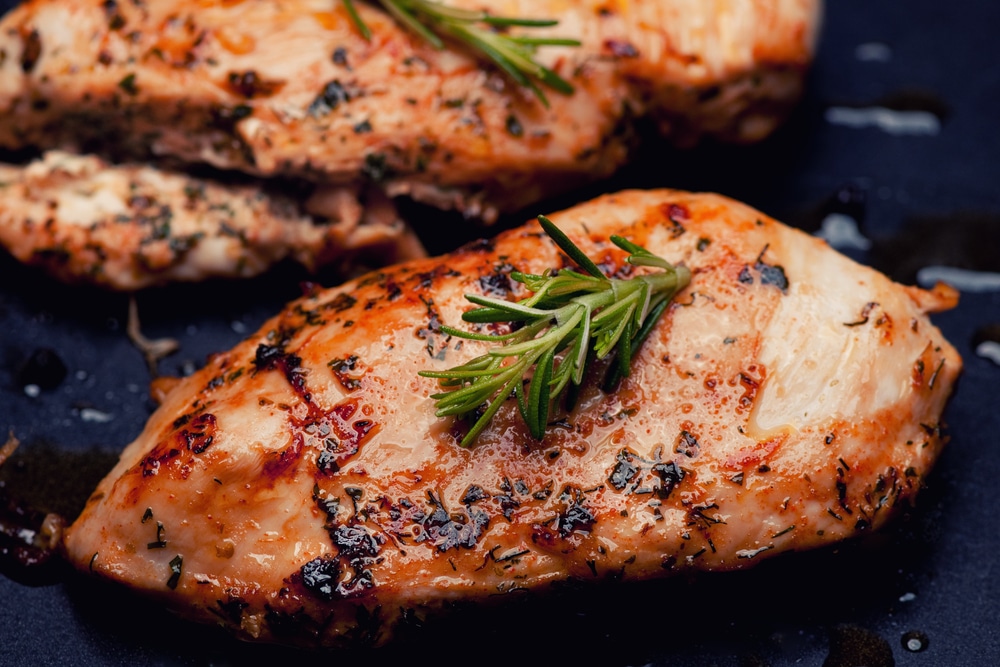
Ultimate Guide: Grilling Safe, Juicy Chicken Breasts
The quest for perfectly grilled chicken breasts is a culinary journey many home cooks embark on, often encountering the dreaded dry, rubbery results. Yet, when executed correctly, grilled chicken breasts are a testament to simple, delicious cooking: lean, flavorful, and incredibly versatile. This comprehensive guide will equip you with the knowledge and techniques to consistently achieve safe, succulent, and flavor-packed grilled chicken breasts that will have your friends and family begging for more.
Why Grilled Chicken Breasts Are a Modern Cuisine Staple
Boneless, skinless chicken breasts stand out as one of the most popular protein choices globally, especially when it comes to grilling. Their widespread appeal isn't just a trend; it's rooted in several key advantages that make them a staple in modern kitchens and on summer barbecue menus. Prized for their lean profile and minimal fat content, grilled chicken breasts offer a healthy foundation for countless meals, aligning perfectly with balanced dietary goals aimed at muscle maintenance, weight management, and overall wellness.
The versatility of grilled chicken breast is truly remarkable. From being the star of a main course to a healthy addition to salads, sandwiches, wraps, or even pasta dishes, its mild flavor profile acts as a blank canvas for an endless array of seasonings and marinades. This adaptability makes it an invaluable ingredient for busy weeknights and elaborate weekend feasts alike. Furthermore, the relatively quick cooking time on a grill means a delicious, high-protein meal is never far off, providing both convenience and satisfaction.
Nutritional Powerhouse: A Quick Look
Beyond taste and versatility, the nutritional benefits of grilled boneless, skinless chicken breast are significant. A typical 100-gram serving offers approximately 165 calories, a substantial 31 grams of high-quality protein, and minimal fat (around 3.6 grams total). It’s also naturally free of carbohydrates, making it an excellent choice for various dietary approaches. Rich in essential B vitamins like niacin, B6, riboflavin, and B12, it supports energy metabolism and nervous system function. Key minerals such as phosphorus and selenium further contribute to bone health and immune function, cementing its status as a nutrient-dense food.
The Science of Succulence: Prepping for Perfection
The secret to juicy grilled chicken breasts often lies not just in the grilling itself, but in the crucial steps taken before the meat even touches the grates. Avoiding dryness, a common pitfall, begins with smart preparation that ensures even cooking and optimal moisture retention.
Pound It Out for Even Cooking
One of the most effective strategies to prevent dry spots and undercooked areas is to pound your chicken breasts to an even thickness. Chicken breasts often have one end thicker than the other, leading to uneven cooking where thinner parts dry out while thicker parts are still cooking. To achieve uniformity:
- Place chicken breasts one at a time between two sheets of plastic wrap or in a large Ziploc bag.
- Using a meat mallet, rolling pin, or even the bottom of a heavy skillet, gently pound the chicken until it is about 3/4 to 1 inch thick throughout. This simple step guarantees that every part of the breast cooks at the same rate, resulting in consistently tender and moist meat.
Marinate or Brine for Maximum Moisture and Flavor
To infuse flavor and further enhance moisture, marinating or brining is essential. These techniques introduce liquid and seasonings into the chicken fibers, making it more resilient to the drying effects of high heat.
- Marinating: A good marinade does double duty: it tenderizes the chicken with acids (like lemon juice or vinegar) and adds a punch of flavor. A classic lemon and oregano marinade, as highlighted by many recipes, is a fantastic starting point. Consider adding garlic, olive oil, and a blend of other herbs like thyme or rosemary. For extra depth, explore marinades with soy sauce, ginger, honey, or even yogurt for a creamy, tenderizing effect. Aim for at least 30 minutes of marinating time, but ideally 2-4 hours, or even overnight for deeper flavor penetration.
- Brining: For truly exceptional juiciness, especially if you're not planning a flavorful marinade, consider a simple brine. A brine is typically a solution of salt and water (often with a little sugar) that helps chicken absorb and retain more moisture through osmosis. A basic ratio is 1 tablespoon of kosher salt per cup of water. Submerge the chicken for 15-30 minutes for thinner breasts, or up to an hour for thicker ones. Always rinse the chicken thoroughly after brining and pat it dry before grilling.
Regardless of your choice, always pat the chicken breasts thoroughly dry after marinating or brining. This allows for better searing and a more attractive crust on the grill.
Grilling Techniques for Safe & Juicy Results
Mastering the grill means understanding how heat interacts with your food. For grilled chicken breasts, the goal is a beautiful sear and characteristic grill marks on the exterior, coupled with a perfectly cooked, juicy interior, all while ensuring food safety.
Two-Zone Grilling: Your Best Friend
The most effective technique for grilling boneless, skinless chicken breasts is two-zone grilling. This involves creating distinct direct and indirect heat zones on your grill:
- Direct Heat Zone: For charcoal grills, pile coals on one side. For gas grills, turn one or two burners to high. This zone provides intense heat for searing.
- Indirect Heat Zone: For charcoal grills, leave the other side empty. For gas grills, leave the remaining burners off or on low. This zone allows for gentler, slower cooking without burning.
Preheat your grill to a medium-high temperature (around 400-450°F / 200-230°C). Clean your grill grates thoroughly with a wire brush and then oil them lightly to prevent sticking.
The Grill Strategy: Sear, Then Finish
- Sear (Direct Heat): Place your prepared chicken breasts over the direct heat zone. Grill for 2-3 minutes per side, just long enough to achieve those appealing grill marks and a nice sear. Resist the urge to move them too soon; let the crust develop.
- Finish (Indirect Heat): Once seared, move the chicken breasts to the indirect heat zone. Close the grill lid to allow the ambient heat to cook the chicken through gently. This method prevents the exterior from burning while the interior slowly comes to temperature, preserving moisture. Cooking times will vary based on thickness and grill temperature, but expect roughly 6-10 minutes on the indirect side.
For more in-depth strategies and common pitfalls to avoid, delve into Master Juicy Grilled Chicken Breasts: Tips & Techniques.
The Golden Rule: Use a Meat Thermometer
This is arguably the single most important piece of advice for grilling safe and juicy chicken breasts. You cannot rely on visual cues like color or firmness alone. The USDA recommends that all poultry reach a safe minimum internal temperature of 165°F (74°C) to kill harmful bacteria. Anything less is unsafe; anything more risks dryness.
- Insert an instant-read meat thermometer into the thickest part of the chicken breast, making sure not to touch any bone (if present) or go all the way through.
- Remove the chicken from the grill when it registers 160-162°F (71-72°C). The temperature will continue to rise a few degrees as it rests.
Resting: The Final Step to Juiciness
Once your chicken breasts reach the target internal temperature, transfer them to a clean cutting board or plate, cover loosely with foil, and let them rest for at least 5-10 minutes. This crucial step allows the juices, which have been driven to the center of the meat by the heat, to redistribute evenly throughout the breast. Cutting into the chicken too soon will cause these precious juices to escape, leaving you with dry meat.
Beyond the Basics: Elevating Your Grilled Chicken Breasts
Once you've mastered the fundamental techniques, there's a world of flavor to explore. Don't limit yourself to one marinade; experiment with various rubs, glazes, and serving suggestions to keep your grilled chicken breasts exciting.
Flavor Variations
- Spicy Rubs: A blend of smoked paprika, cayenne pepper, cumin, and garlic powder can add a vibrant, zesty kick.
- Sweet & Tangy Glazes: Brush on a barbecue sauce, honey mustard, or a balsamic glaze during the last few minutes of grilling for a beautiful caramelized finish.
- Herbaceous Blends: Beyond oregano, try a mix of fresh rosemary, thyme, and sage, finely chopped and mixed with olive oil and garlic.
Serving Suggestions
Grilled chicken breasts are incredibly versatile for meal prep and diverse dishes:
- Slice and add to a vibrant green salad with a light vinaigrette.
- Use in sandwiches or wraps with fresh vegetables and a dollop of aioli.
- Serve alongside roasted vegetables, quinoa, or a fresh corn and black bean salsa for a complete meal.
- Dice and toss into pasta dishes or stir-fries for added protein.
Grill Maintenance for Better Results
A clean grill is a happy grill, and it makes a huge difference in the quality of your grilled chicken breasts. Always scrape your grates clean after each use (when they're still warm). This prevents food from sticking and ensures your chicken gets those beautiful, coveted grill marks.
Conclusion
Grilling safe, juicy chicken breasts doesn't have to be an elusive dream. By focusing on smart preparation techniques like pounding and marinating, mastering the two-zone grilling method, and most importantly, relying on an instant-read meat thermometer for precise doneness, you can consistently achieve perfectly cooked, moist, and flavorful results. Remember to give your chicken time to rest after grilling to lock in those precious juices. With these tips in your arsenal, you're now ready to transform this lean protein into a culinary delight that is both healthy and incredibly satisfying, proving that simplicity truly can be sublime.
